Macromolecule Content Total Structure Weight: 525.75 kDa Atom Count: 34,893 Modeled Residue Count: 4,474 Deposited Residue Count: 4,824 Unique protein chains: 1 Experimental Data Method: X-RAY DIFFRACTION Resolution: 2.70 R-Value Free: 0.226 (Depositor), 0.227 (DCC) R-Value Work: 0.207 (Depositor), 0.208 (DCC) R-Value Observed: 0.208 (Depositor) Unit Cell : Software Package: Revision History (Full details and data files) Version 1.0: 2020-05-27 Type: Initial release Version 2.0: 2020-07-29 Type: Remediation Reason: Carbohydrate remediation Changes: Advisory, Atomic model, Data collection, Derived calculations, Structure summary Version 3.0: 2020-12-09 Type: Coordinate replacement Reason: Atomic clashes Changes: Advisory, Atomic model, Data collection, Database references, Derived calculations, Non-polymer description, Refinement description, Structure summary Version 3.1: 2020-12-16 Changes: Database references Version 3.2: 2024-05-15 Changes: Data collection, Database references, Refinement description

Good for high-dose peptides where you're injecting large amounts
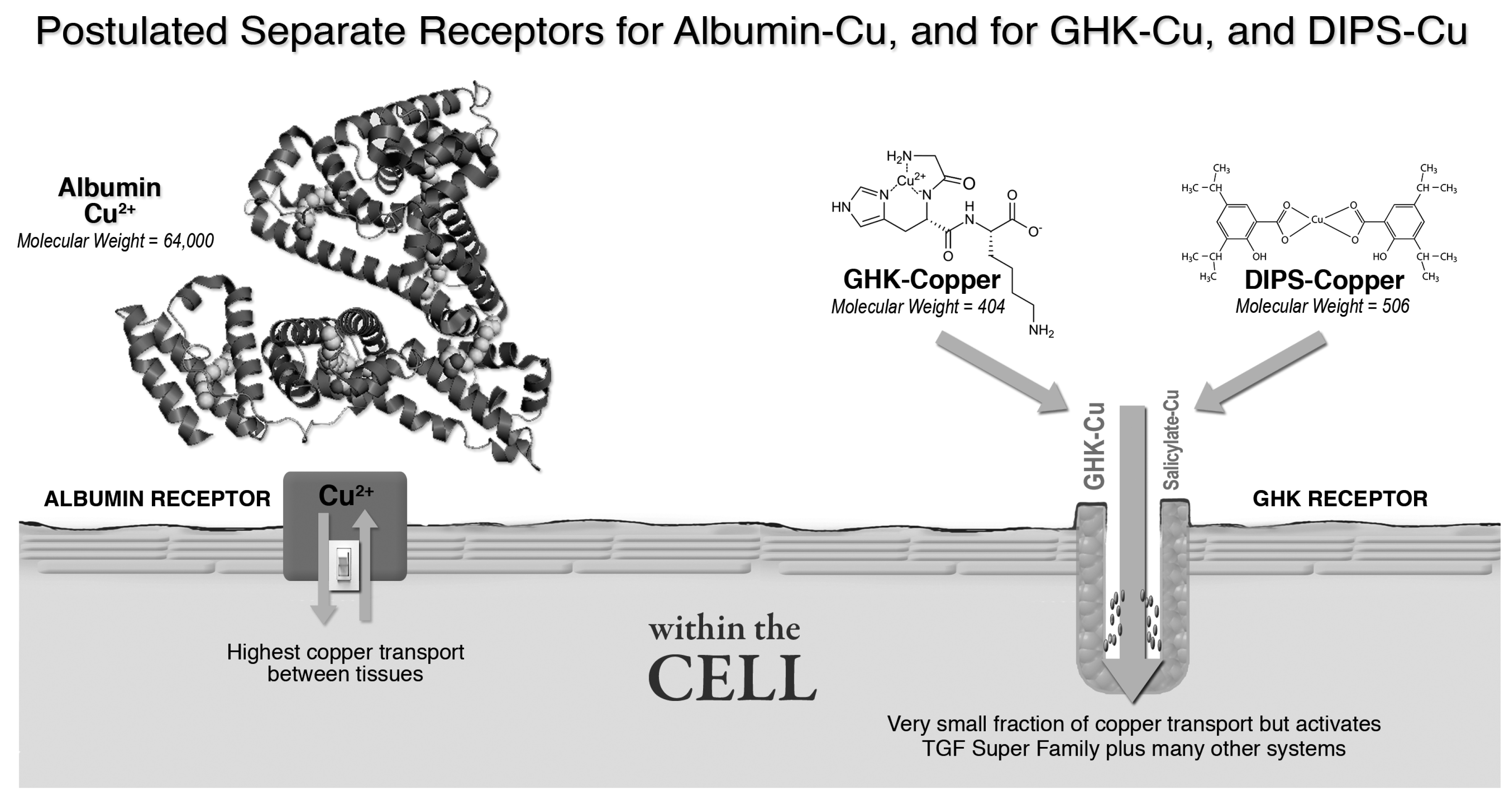
GHK-Cu vs BPC-157 for Tissue Repair One of the main reasons GHK-Cu vs BPC-157 is such a high-intent keyword is because both peptides are often discussed under the umbrella of tissue repair, but they tend to be researched for different tissue priorities
In very rare cases, taking glutathione can cause asthmatic attacks, headaches, toxicity in your liver and kidney, and various skin conditions