Other factors that increase the risk of gum disease include: Hormonal changes during pregnancy, puberty, menopause, and menstruation Diseases like cancer, HIV, and diabetes that weaken the immune system Certain medications that reduce saliva production Smoking or tobacco use Poor oral hygiene habits Family history of dental disease Common symptoms of gum disease include: Red, swollen, or bleeding gums Pain or tenderness in the gums Persistent bad breath or bad taste in the mouth Receding gums or deep pockets between teeth and gums Loose teeth or changes in bite Treatment for gum disease depends on its severity and may include: Nonsurgical treatments: Scaling and root planing to remove plaque and tartar, antibiotics to control infection Surgical treatments: Flap surgery, soft tissue grafts, bone grafting, guided tissue regeneration, tissue-stimulating proteins, platelet-rich fibrin or plasma Early-stage gum disease can be reversed with proper treatment and good oral hygiene

They do not contain adjuvants, as viral vectors inherently stimulate innate immune pathways
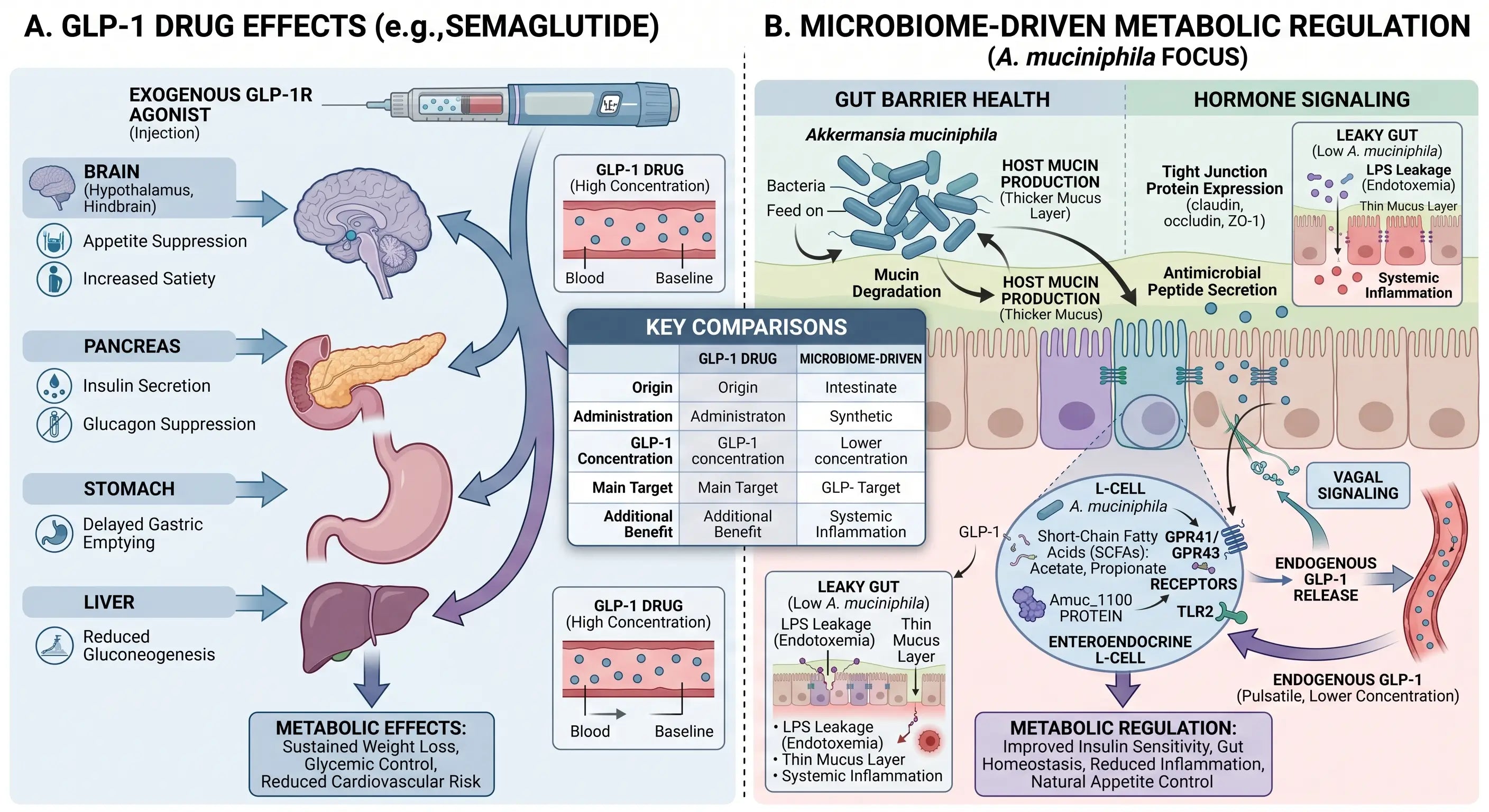
Y esta es la necesidad que nos ayuda a cubrir semaglutida oral, un avance tambin tcnico de primer orden al formular semaglutida con SNAC, un potenciador de la absorcin que permite administrar por va oral un pptido, aclara el doctor Jdar
Het aminozuur is namelijk niet uit een dierlijke bron verkregen en bevat geen dierlijke bijproducten