Some approaches involve immobilizing targets on matrices and incorporating counter-selection steps to reduce nonspecific binding, while others, like CE-SELEX, eliminate the amplification step and significantly shorten the selection process, though they face limitations such as smaller library sizes
Abbreviations ACN: Acetonitrile AD: Alzheimers disease BBB: Bloodbrain barrier DMF: N,N-Dimethylformamide CNS: Central nervous system CuAAC: Copper-catalyzed azidealkyne cycloaddition FBS: Foetal bovine serum Fmoc: Fluorenylmethyloxycarbonyl HCTU: O-(1 H-6-Chlorobenzotriazole-1-yl)-1,1,3,3-tetramethyluronium hexafluorophosphate i.v.: Intravenous LC-MS: Liquid chromatography mass spectrometry LLQ: Lower limit of quantification LPS: Lipopolysaccharide LRP-1: Low-density lipoprotein receptor-related protein 1 NMR: Nuclear magnetic resonance PD: Parkinsons disease PEG: Polyethylene glycol RP-HPLC: Reversed-phase high-performance liquid chromatography s.c.: Subcutaneous TEA: Tetraethylammonium TFA: Trifluoroacetic acid THPTA: Tris(3-hydroxypropyltriazolylmethyl)amine References Alkhalifa AE, Al-Ghraiybah NF, Odum J, Shunnarah JG, Austin N, Kaddoumi A (2023) Bloodbrain barrier breakdown in Alzheimers disease: mechanisms and targeted strategies

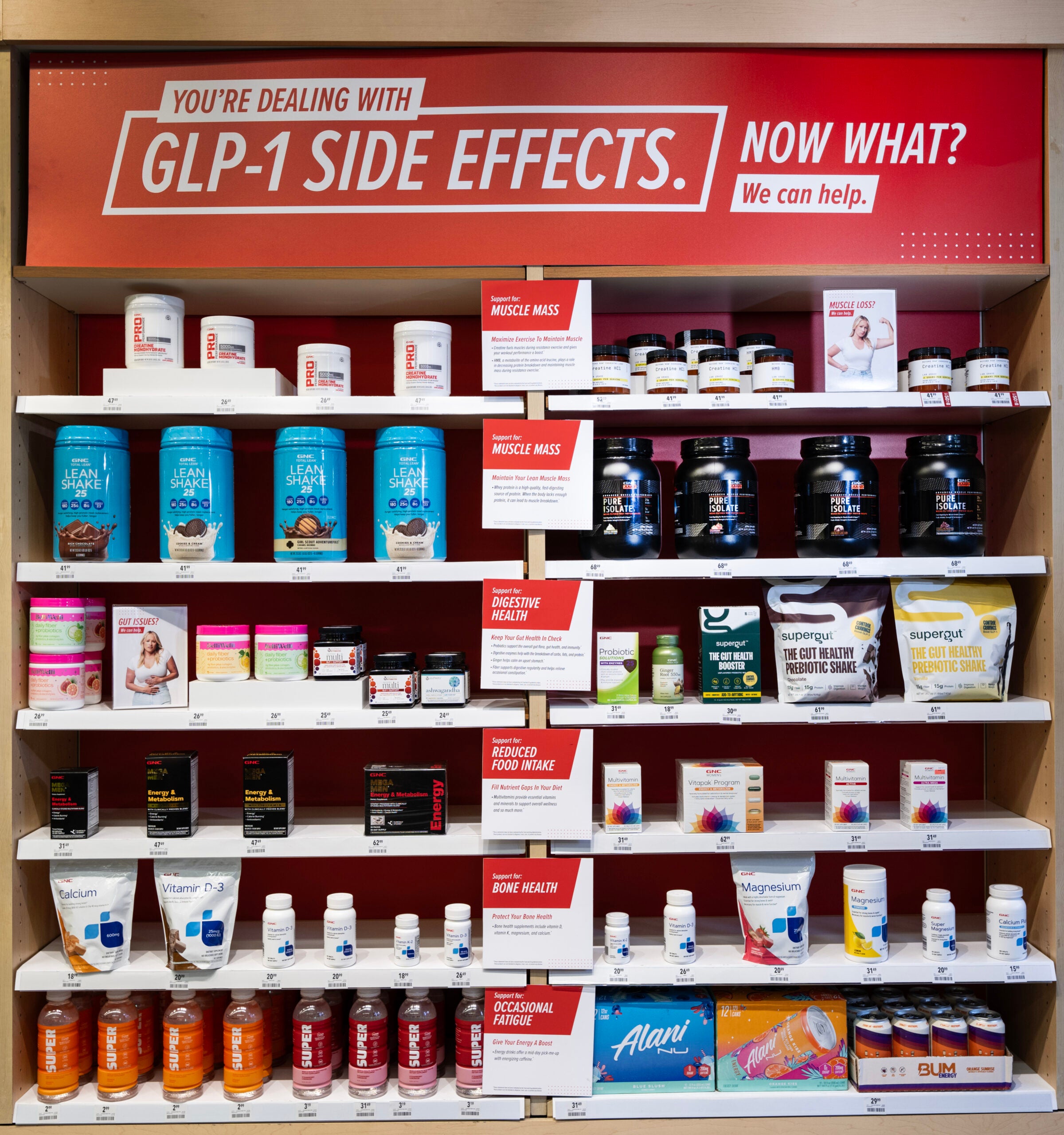
The three most common causes of GLP-1-related oral odor are belching, bad breath (halitosis), and ketosis, McGowan says
Thit k: Dng h