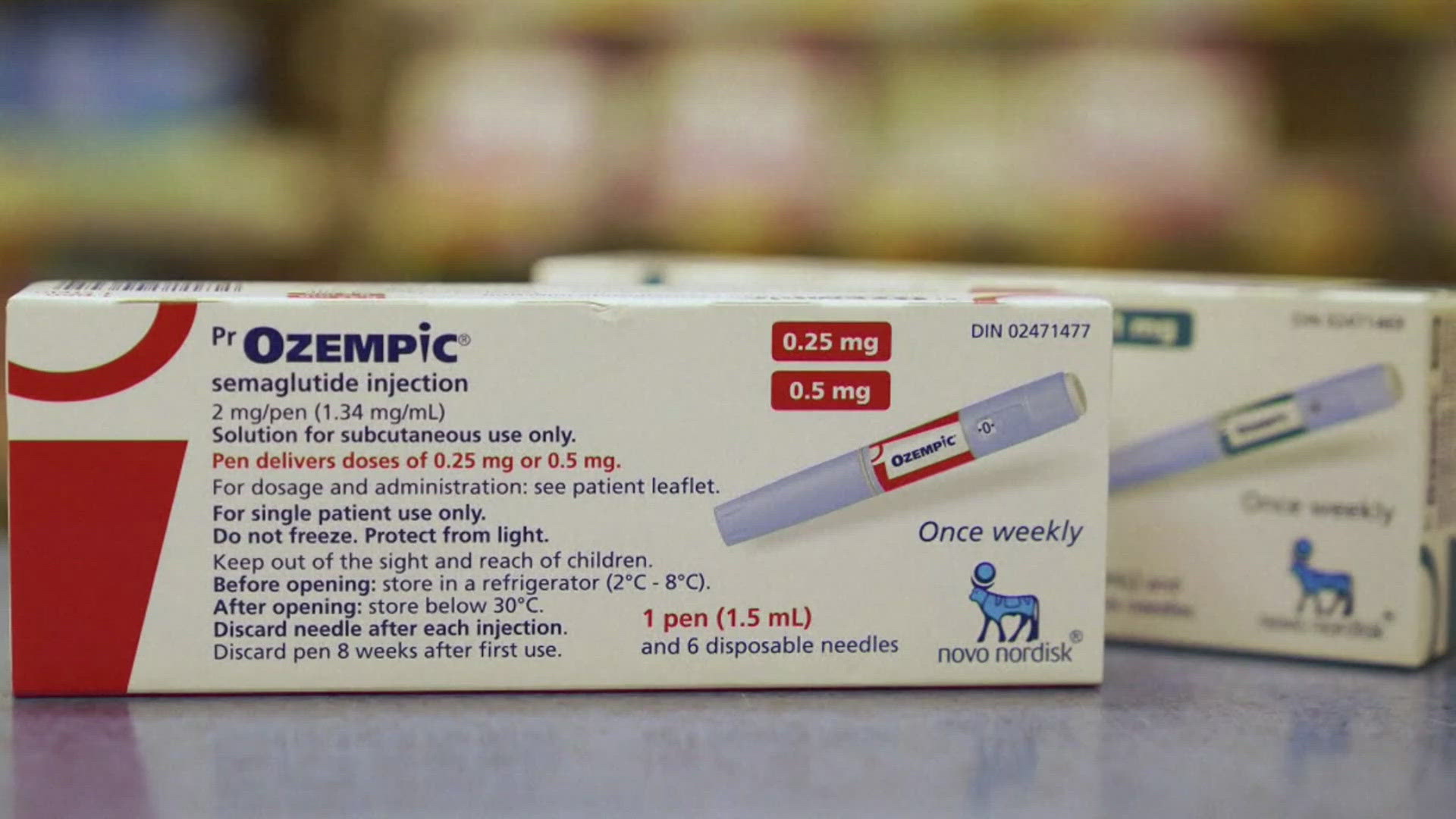
Initiation: Start with 0.25 mg once weekly subcutaneously for 4 weeks to reduce gastrointestinal side effects Maintenance: After 4 weeks, the dose may be increased to 0.5 mg once weekly , and further up-titrated to 1 mg if additional glycemic control is needed Injection sites: Administer subcutaneously in the abdomen, thigh, or upper arm Timing: Can be administered at any time of day, with or without food, on the same day each week Effective reduction in HbA1c levels and fasting plasma glucose Supports weight loss in patients with T2DM Improves cardiovascular outcomes in high-risk patients Convenient once-weekly dosing improves compliance Known hypersensitivity to Semaglutide or any component of the formulation Personal or family history of medullary thyroid carcinoma (MTC) or multiple endocrine neoplasia syndrome type 2 (MEN 2) Common: Nausea, vomiting, diarrhea, constipation, abdominal pain Less common: Dyspepsia, headache, fatigue Rare but serious: Pancreatitis, hypoglycemia (especially when combined with insulin or sulfonylureas), allergic reactions Monitor patients for signs of pancreatitis Use caution in patients with renal or hepatic impairment Not recommended for type 1 diabetes mellitus or for the treatment of diabetic ketoacidosis Advise patients to report persistent gastrointestinal symptoms Semaglutide binds to GLP-1 receptors on pancreatic -cells, enhancing glucose-dependent insulin secretion
Your protein intake clusters into one meal instead of distributing throughout the day, which is less effective for muscle protein synthesis
Current treatments (physiotherapy, anti-inflammatory/analgesic medication, surgery) for IVD disease may resolve neurological deficits and reduce pain (although in many cases insufficient), but do not lead to repair of the degenerated disc
[22] [23] GHK-Cu has been found to induce a systemic enhancement of healing in rats, mice, and pigs





















![[UV Glue][Privacy] Motorola Moto Edge 60/Pro/Fusion - UV Full Covered Curved Anti-Spy 9H Tempered Glass Screen Protective Protector Moto E22s](https://cdn.shopify.com/s/files/1/0085/9150/7533/files/b_8de0564d-860a-49c7-a149-0c8229868610.png?v=1743834642)


