Because patients feel fuller for longer, impulse eating occurs less often and many become more aware of the right portion sizes for their body
Current clinical management primarily relies on palliative approaches including oral nonsteroidal anti-inflammatory drugs (NSAIDs) and physical therapy, while effective disease-modifying drugs remain unavailable [3, 4]
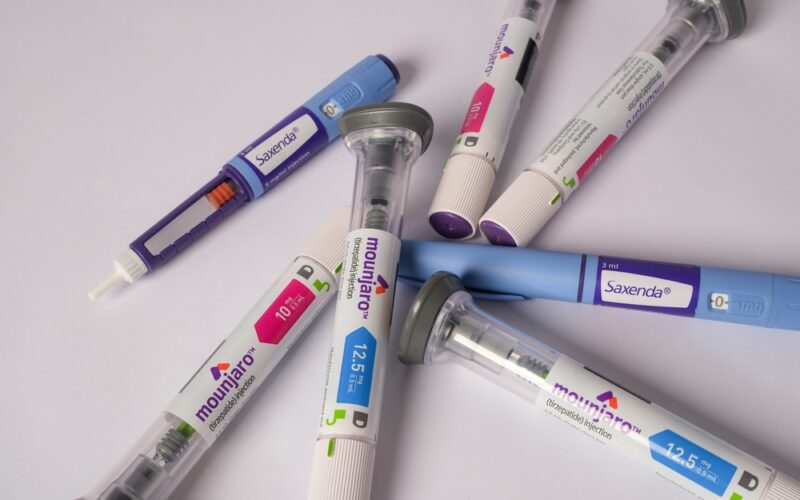
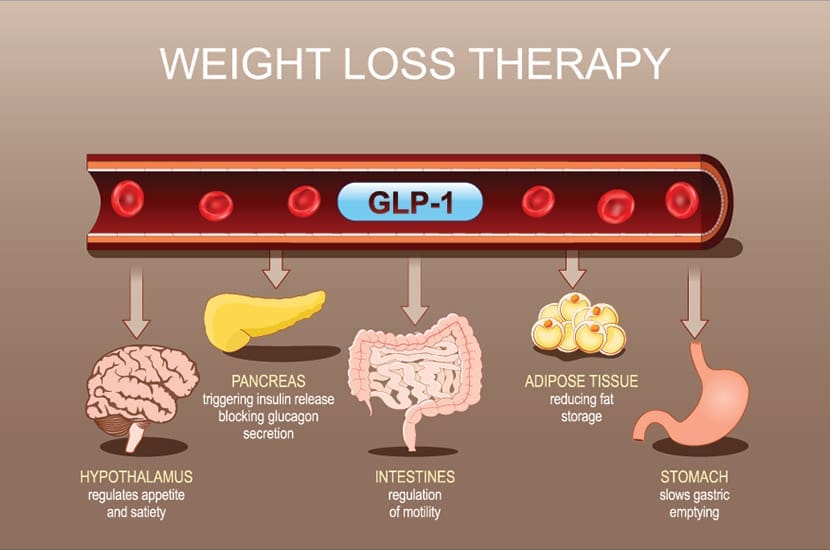
GLP-1 receptor agonists work through several pathways: Enhancing insulin secretion from pancreatic beta cells in a glucose-dependent manner, which helps lower blood sugar levels Suppressing glucagon release , thereby reducing hepatic glucose production Slowing gastric emptying , which prolongs satiety and reduces appetite Acting on appetite centres in the brain , particularly the hypothalamus, to decrease food intake While these medications are licensed by the MHRA for type 2 diabetes and, in some formulations (e.g., Saxenda, Wegovy), for chronic weight management, NHS access via NICE guidance is more restricted
Why do some people respond faster than others