Small cosmetic-formulation human studies Where GHK-Cu has been included in cosmetic formulations and tested in small human studies, photographic and instrumental endpoints (skin-density imaging, fine-line-depth measurements) are typically reported at 8 weeks, 12 weeks and 16 weeks
This is not a well-studied compound
Accelerates wound healing through growth factor modulation Stimulates angiogenesis (formation of new blood vessels) to injured areas Promotes fibroblast activity and collagen formation Protects endothelial function and blood flow Reduces systemic and local inflammation without NSAIDs or corticosteroids Heals tendon-to-bone junctions and muscle strains that are notoriously slow to regenerate BPC-157 improves functional recovery by increasing VEGF expression, enhancing angiogenesis, and accelerating fibroblast migration and collagen deposition. Pevec et al., Journal of Orthopaedic Research While research on humans is still developing, preclinical studies across muscle, tendon, ligament, nerve, and gut tissues have shown consistent healing properties in animal modelswith many athletes and rehab practitioners reporting comparable real-world results

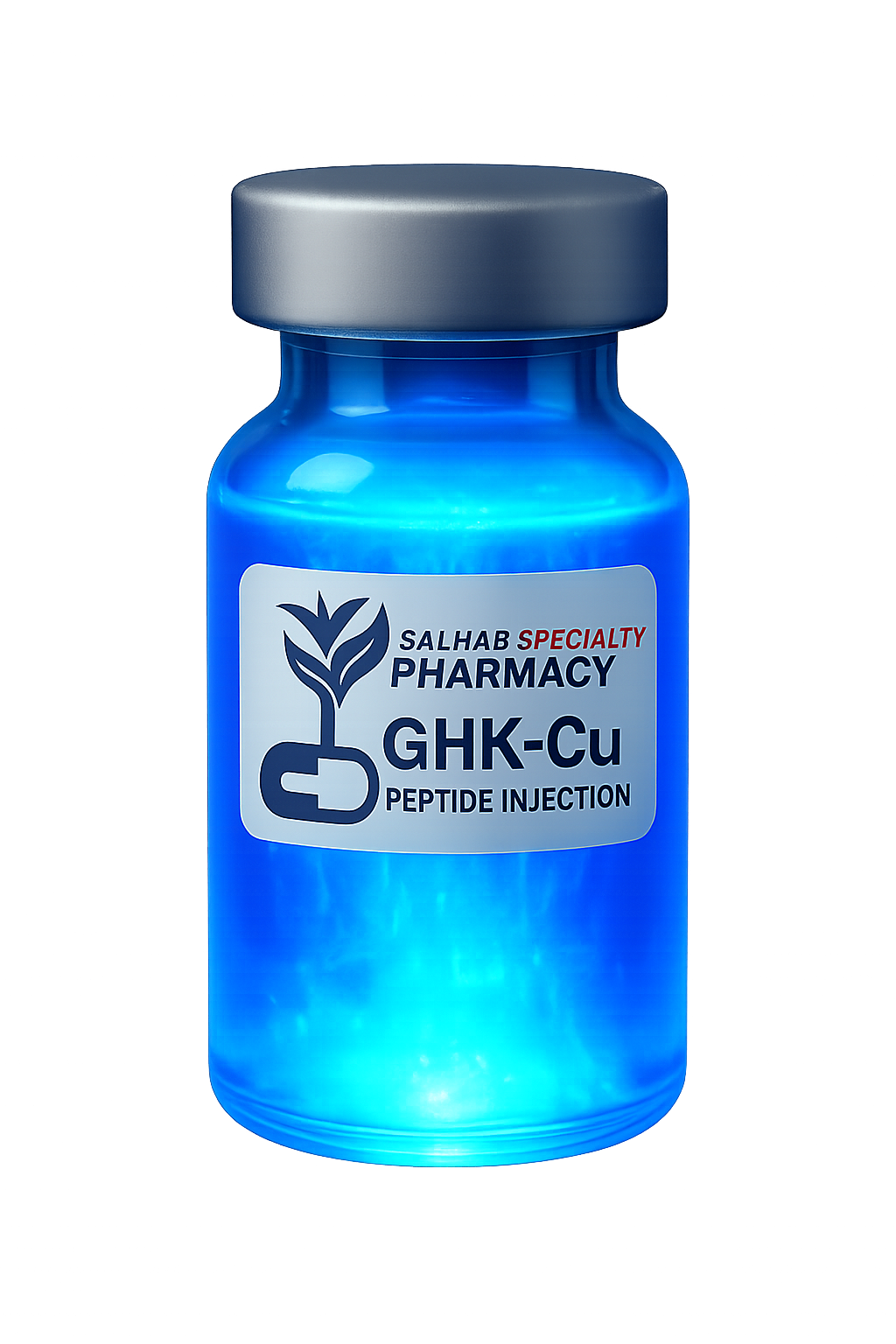
Studied in models involving peptide-metal complex biology, copper-associated signaling, cellular response systems, and tissue-level pathway behavior







:max_bytes(150000):strip_icc()/benefits-of-glutathione-89457_final-01-502464fe91b2444285b0cccf8cb0a33c.png)