Legal status: Not FDA-approved for human use Sold as a "research chemical" Legal to buy and possess in most countries Widely used despite research-only labeling What BPC-157 does in your body The mechanism is elegantly simple
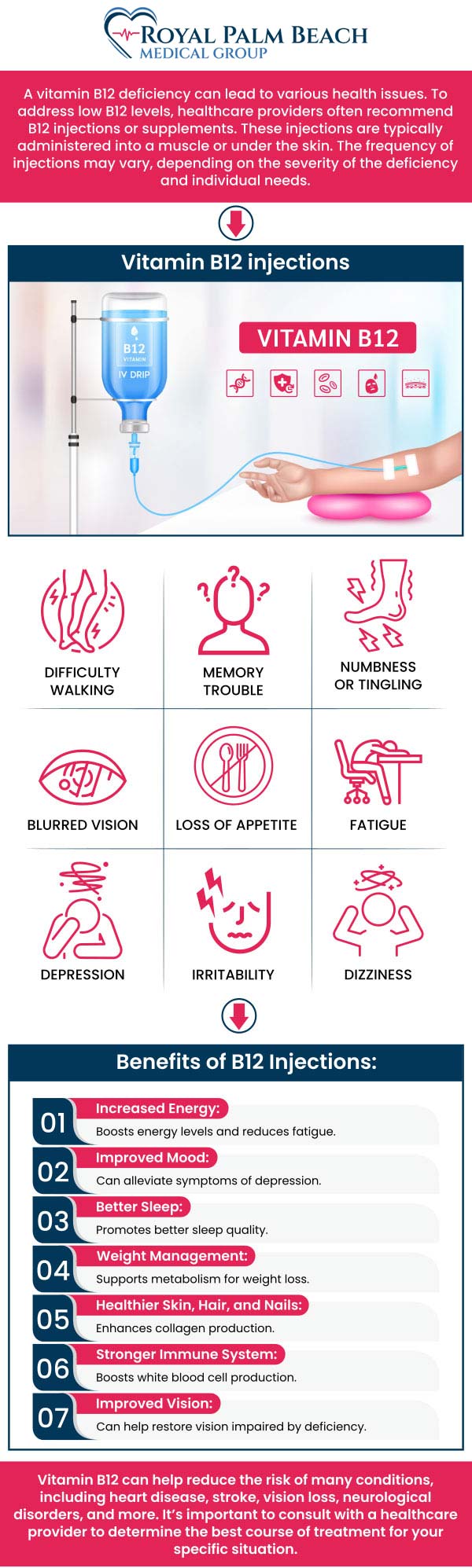
Early observational data suggests that patients on GLP-1 therapy for weight loss may see B12 levels decline by 10-15% over six to twelve months, depending on baseline status and dietary intake
Swab the vial septum with 70% isopropyl alcohol and let it dry fully

This article answers a narrower and more usefu Survodutide (development code BI 456906) has become one of the most closely watched molecules in metabolic research because it does something a first-generation GLP-1 drug does no Thymalin is one of the most frequently searched thymic peptide preparations in the peptide-research community, yet it is also one of the most misunderstood r Among the synthetic growth hormone secretagogues that emerged from 1980s and 1990s peptide chemistry, hexarelin occupies an unusual position: it is one of the most potent growth-h Among the compounds studied as alternatives to conventional testosterone replacement, enclomiphene occupies an unusual position: it is not a hormone, not a peptide, and not a nove Few molecules in muscle-growth research generate as much curiosity or as much overstatement as follistatin-344, an isoform of a naturally occurring glycoprotein th GHK-Cu the copper tripeptide glycyl-L-histidyl-L-lysine complexed with copper(II) has a long and specific research history as an injected, systemically distributed Almost every discussion of GHK-Cu for skin quietly assumes that the copper peptide works the same way no matter how it enters the body but the central research question of When a peptide product page promises faster muscle repair, deeper recovery, or cellular regeneration, it is making an implicit biological claim: that the compound do Glutathione is often introduced with a grand nickname the master antioxidant yet the central research question is more precise than the marketing: ho PE-22-28 has drawn intense interest in the peptide research community because of one provocative question: could blocking a single background potassium channel produce an antidepr AICAR occupies an unusual place in the research-chemical market: it is sold alongside peptides, yet it is not a peptide at all, and its most famous headline that a drug al Can a synthetic peptide selectively persuade the zombie cells that accumulate with age to self-destruct without harming the healthy cells around them


:max_bytes(150000):strip_icc()/Health-GettyImages-2153927815-0bf99cd73e2c46908d7fc0973739f6d0.jpg)